New York Style Cheesecake
Highlighted under: Cake Shop Recipes
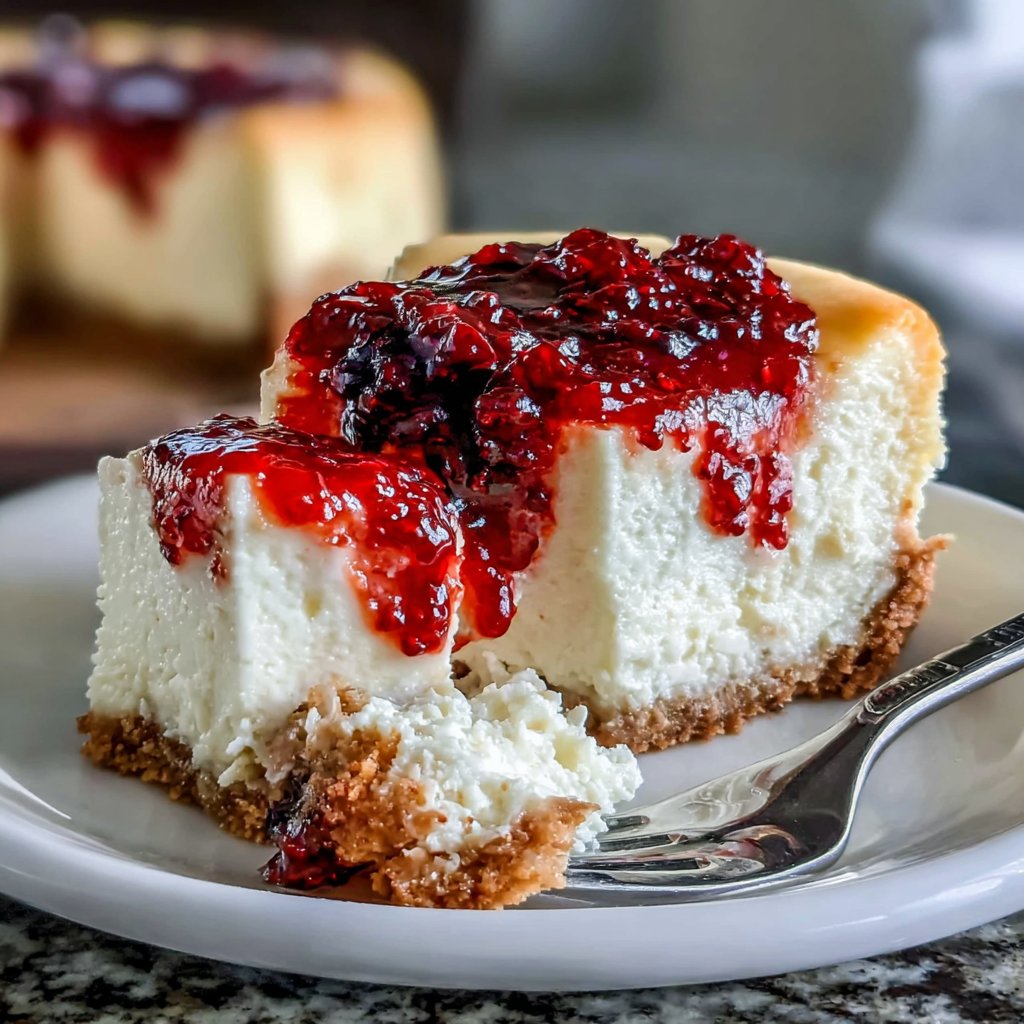
I adore baking, but there's something particularly special about making a New York Style Cheesecake. The rich, creamy filling and buttery crust combine to create a dessert that's simply heavenly. I remember the first time I crafted it from scratch, balancing the tanginess of cream cheese with the sweetness of sugar. It quickly became a family favorite, perfect for any occasion, whether it's a gathering or a quiet evening at home. With each bite, I revel in the timeless classic that this cheesecake represents.
Every time I make New York Style Cheesecake, I feel a wave of nostalgia wash over me. It's a recipe I discovered during my culinary adventures, and after mastering it, I couldn't help but share the joy with friends and family. The trick lies in using room-temperature cream cheese, which ensures that the batter is perfectly smooth and free of lumps. I found that gently folding in the eggs helps create that light texture while still maintaining a dense and creamy filling.
Another tip I’ve learned along the way is to bake it in a water bath, which prevents the cheesecake from cracking as it bakes. I remember one time, I forgot this step, and although it still tasted divine, the appearance wasn’t quite as perfect. Since then, I've made it a point never to skip that crucial detail. This cheesecake can elevate any gathering, and I love watching everyone savor each slice!
Why You Will Love This Recipe
- Decadently rich and creamy filling that melts in your mouth
- Perfectly balanced sweetness with a hint of tanginess
- Iconic dessert that's a showstopper for any event
Understanding the Role of Ingredients
Each ingredient in this New York Style Cheesecake plays a vital role in achieving the perfect texture and flavor. The cream cheese is the star here, providing that dense and creamy filling that we all love. Opt for full-fat cream cheese for the best results; low-fat varieties can lead to a grainy consistency. The sour cream adds a subtle tang and richness, making the cheesecake even more luxurious. Don't skip the lemon zest—it's not just for garnish! It brightens the flavors and cuts through the richness beautifully.
The crust, made from graham cracker crumbs, is equally important as it provides a complementing crunch. I prefer using finely crushed graham crackers to avoid any large chunks that might disrupt the texture. If you're looking for a variation, you can substitute digestive biscuits or even Oreo cookies for a chocolate twist. Keep in mind that the balance between the buttery crust and the creamy filling is key, so stick to the specified proportions for optimal results.
Perfecting the Baking Process
Baking this cheesecake requires attention to detail, especially when it comes to water bath techniques. By placing the springform pan in a water bath, you ensure gentle, even cooking, which helps prevent cracks on the surface. Be sure to use hot water and wrap the outside of your springform pan in aluminum foil to prevent leaks. The perfect baking time is essential; start checking around the 50-minute mark. The center should be set with a little jiggle, as it will continue to firm up while cooling.
Cooling is just as important as baking. Once the cheesecake is done, turning off the oven and letting it sit with the door ajar for an hour helps prevent drastic temperature changes that can cause cracks. After cooling at room temperature, chilling it in the refrigerator for at least 4 hours—preferably overnight—allows the flavors to meld beautifully. This also helps the texture to reach its ideal creamy consistency, making each bite truly delightful.
Serving and Storage Tips
When it comes time to serve your cheesecake, presentation can make a significant difference. For a classic touch, consider topping it with fresh berries or a drizzle of caramel. Slicing with a warm knife (just running it under hot water and then drying) will help you get those clean cuts that are visually appealing. Additionally, I recommend letting the cheesecake sit at room temperature for about 30 minutes before serving for enhanced flavor and better texture.
If you're planning to make this cheesecake ahead of time, it can be frozen for up to a month. To do so, wrap it tightly in plastic wrap and then aluminum foil to prevent freezer burn. When ready to serve, thaw it in the refrigerator overnight. Just keep in mind that the texture might slightly change, so fresh is always best. Leftovers, if any, can be stored in the fridge for about a week; just ensure it’s covered to maintain its pristine taste.
Ingredients
For the Crust
- 1 ½ cups graham cracker crumbs
- ½ cup unsalted butter, melted
- ¼ cup granulated sugar
For the Filling
- 4 (8-ounce) packages cream cheese, softened
- 1 cup granulated sugar
- 1 teaspoon vanilla extract
- 4 large eggs
- 1 cup sour cream
- ¼ cup all-purpose flour
- Zest of 1 lemon
Instructions
Steps
Prepare the Crust
Preheat your oven to 325°F (163°C). In a bowl, combine graham cracker crumbs, melted butter, and sugar. Press this mixture firmly into the bottom of a 9-inch springform pan. Bake for 10 minutes, then remove and let cool.
Make the Filling
In a large mixing bowl, beat the softened cream cheese until smooth. Gradually add the sugar and vanilla, mixing until well combined. Add the eggs one at a time, mixing on low speed after each addition. Stir in sour cream, flour, and lemon zest until just combined.
Bake the Cheesecake
Pour the filling over the cooled crust. Place the springform pan in a larger pan and fill the outer pan with water, about halfway up the sides of the springform. Bake for 60 minutes or until the center is set but still slightly jiggly.
Cool and Serve
Turn off the oven and leave the cheesecake inside for 1 hour with the door ajar. Remove from the oven and let it cool completely at room temperature. Chill in the refrigerator for at least 4 hours, preferably overnight, before serving.
Enjoy Your Cheesecake!
Pro Tips
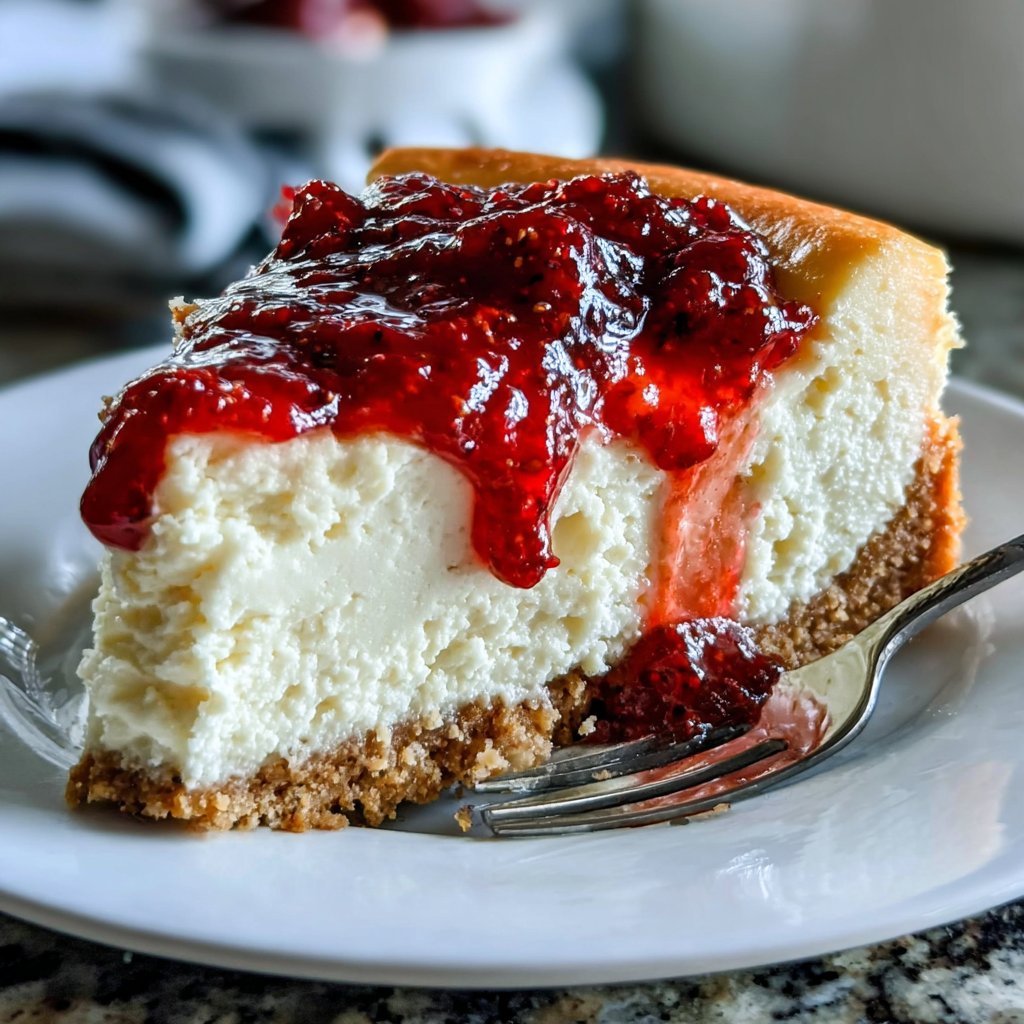
- Always ensure your cream cheese is at room temperature before mixing to achieve a smooth texture. Use a water bath to prevent cracks and help the cheesecake cook evenly.
Troubleshooting Common Issues
Cracks in your cheesecake can be disheartening. If you find cracks on the surface after baking, it may be due to overmixing or baking at too high of a temperature. Always mix on low speed and keep an eye on the oven temperature. If cracks do appear, you can disguise them with a fruit topping or some whipped cream, which adds a lovely visual appeal.
Another common concern is undercooking the cheesecake, which can lead to a soupy center. Make sure to check the doneness before the timer goes off. The edges should be set, and only the center should have a slight jiggle when you gently shake the pan. If you're consistently encountering undercooked centers, consider calibrating your oven thermometer as it might be running cooler than shown.
Flavor Variations to Try
For those looking to mix things up, consider incorporating different flavors to the filling. Adding a cup of melted chocolate can create a delicious chocolate cheesecake, while a swirl of raspberry sauce can provide a beautiful color and taste contrast. Just be sure to avoid overmixing if you're adding these extras to maintain the cheesecake's structure.
Another intriguing variation is infusing the filling with spices such as cinnamon or nutmeg, particularly around the holidays. This can give your classic cheesecake an unexpected twist. However, start with small amounts to avoid overpowering the primary flavors of cheese and cream.
Questions About Recipes
→ Can I make this cheesecake ahead of time?
Yes! This cheesecake can be made up to a day in advance and stored in the refrigerator until ready to serve.
→ What if my cheesecake cracks while baking?
Cracking often occurs from temperature fluctuations. Using a water bath helps but also avoid overbaking to minimize the risk.
→ Can I use flavored cream cheese?
Absolutely! Flavored cream cheese can add a unique twist to your cheesecake. Just adjust the sugar accordingly.
→ Is it necessary to chill the cheesecake overnight?
While it's best to chill overnight for the ideal texture, you can chill it for at least four hours if you're short on time.
New York Style Cheesecake
Created by: The Chefellacooks Team
Recipe Type: Cake Shop Recipes
Skill Level: Intermediate
Final Quantity: 12 servings
What You'll Need
For the Crust
- 1 ½ cups graham cracker crumbs
- ½ cup unsalted butter, melted
- ¼ cup granulated sugar
For the Filling
- 4 (8-ounce) packages cream cheese, softened
- 1 cup granulated sugar
- 1 teaspoon vanilla extract
- 4 large eggs
- 1 cup sour cream
- ¼ cup all-purpose flour
- Zest of 1 lemon
How-To Steps
Preheat your oven to 325°F (163°C). In a bowl, combine graham cracker crumbs, melted butter, and sugar. Press this mixture firmly into the bottom of a 9-inch springform pan. Bake for 10 minutes, then remove and let cool.
In a large mixing bowl, beat the softened cream cheese until smooth. Gradually add the sugar and vanilla, mixing until well combined. Add the eggs one at a time, mixing on low speed after each addition. Stir in sour cream, flour, and lemon zest until just combined.
Pour the filling over the cooled crust. Place the springform pan in a larger pan and fill the outer pan with water, about halfway up the sides of the springform. Bake for 60 minutes or until the center is set but still slightly jiggly.
Turn off the oven and leave the cheesecake inside for 1 hour with the door ajar. Remove from the oven and let it cool completely at room temperature. Chill in the refrigerator for at least 4 hours, preferably overnight, before serving.
Extra Tips
- Always ensure your cream cheese is at room temperature before mixing to achieve a smooth texture. Use a water bath to prevent cracks and help the cheesecake cook evenly.
Nutritional Breakdown (Per Serving)
- Calories: 380 kcal
- Total Fat: 26g
- Saturated Fat: 15g
- Cholesterol: 195mg
- Sodium: 85mg
- Total Carbohydrates: 32g
- Dietary Fiber: 3g
- Sugars: 24g
- Protein: 6g